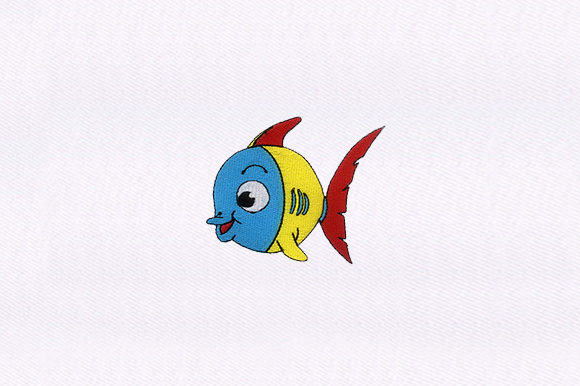
Baby Fish Embroidery Design Review
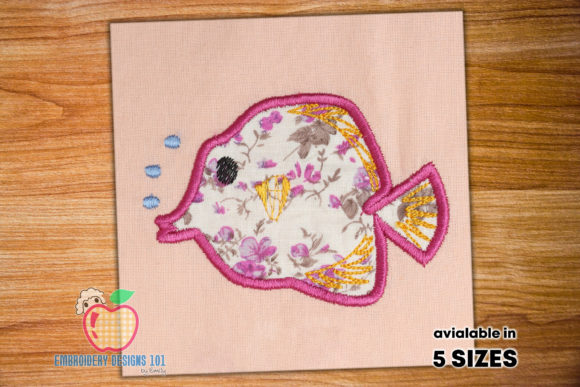
As an experienced embroidery designer, I recently had the opportunity to review the Baby Fish machine embroidery design. This design has potential for small business merch and branded patches, but it's important to evaluate how well it performs in real-world scenarios.
First Impressions of Baby Fish
The Baby Fish design immediately feels friendly and playful, with a soft, rounded silhouette that suggests approachability. It’s not overly bold or complex, which makes it versatile for a variety of branding needs. The name itself hints at something whimsical, which could be perfect for businesses aiming to convey a sense of fun or creativity.
Visually, the design maintains a clean and elegant look, making it suitable for both modern and classic branding styles. It doesn't feel too decorative, which is a plus when considering its use on professional merchandise like uniforms or work shirts.
Real Business Use Cases for Baby Fish
Baby Fish can be effectively used across multiple applications for small businesses. Here are some key areas where this design shines:
- Embroidered Patches: As a patch, Baby Fish works well as a chest logo accent or sleeve detail. Its simple shape allows it to stand out without overwhelming the fabric.
- Staff Uniforms: On work shirts or aprons, the design adds a subtle touch of personality while maintaining professionalism.
- Caps and Hats: When placed on cap fronts, Baby Fish becomes a charming brand identifier, especially for boutique or handmade shops.
- Tote Bags: As a tote bag design, it can serve as a branded mark that customers will recognize and remember.
- Product Packaging Accents: The design can be used on product packaging to enhance the visual appeal of handmade items or small business products.
- Etsy Branding: For Etsy sellers or craft businesses, Baby Fish offers a unique way to add character to listings or promotional materials.
Its versatility also extends to event merch, customer gifts, and boutique merchandise. The design supports a wide range of embroidery file formats, ensuring compatibility with most commercial embroidery machines.
Where to Use Baby Fish with Caution
While Baby Fish is a great design, there are certain situations where extra care should be taken:
- Small Patch Sizes: The design may lose detail if used on very small patches, so testing is essential.
- Cap Fronts: Due to the limited space, ensure the design is centered and scaled appropriately.
- Curved Surfaces: The fish shape might require adjustments to fit curved surfaces like mugs or round patches.
- High Stitch Density: If using on textured fabrics or dark-colored garments, check the thread color contrast and stitch density to avoid distortion.
- Frequent Washing: Ensure proper stabilizer use to maintain the integrity of the design after repeated washes.
These considerations help ensure that the final finished product meets quality expectations and aligns with brand standards.
Impact on Brand Identity and Customer Engagement
Using Baby Fish as part of your branding can significantly impact how your business is perceived. The design contributes to a cohesive brand identity, reinforcing recognition through consistent visual elements across merchandise and packaging.
For businesses targeting younger audiences or those focused on handmade products, Baby Fish helps establish a sense of playfulness and creativity. This can increase customer trust and engagement, particularly among buyers who value unique and personal branding.
When used correctly, the design enhances product value by adding a professional yet approachable touch to custom apparel and branded merchandise.
Practical Embroidery Designer Notes
Before using Baby Fish for commercial projects, consider these practical steps:
- Test in Black and White: Evaluate how the design looks in monochrome to ensure clarity and detail.
- Check Small Patch Size: Confirm that the design remains legible and visually appealing when reduced in size.
- Review Thread Color Contrast: Select thread colors that provide good visibility against the fabric background.
- Inspect Spacing: Ensure that spacing between elements is appropriate for the intended application.
- Confirm Hoop Size: Check if the design fits within your hoop size to avoid resizing issues during production.
- Test on Real Fabric: Always test the design on actual fabric before mass production to catch any unexpected issues.
- Use Proper Stabilizer: Especially for dark or textured fabrics, use a stabilizer to prevent puckering or distortion.
- Create a Mockup: Provide a printable mockup for client approval to ensure alignment with their vision.
- Compare with Other Assets: Ensure that Baby Fish complements other design assets used in your branding strategy.
- Confirm Commercial Licensing: Always verify that the digital embroidery file is licensed for commercial use to avoid legal issues.
By following these guidelines, you can confidently incorporate Baby Fish into your small business merch and elevate your brand's visual presence.
Final Thoughts on Baby Fish
In conclusion, Baby Fish is a versatile and engaging design that can enhance a wide range of custom apparel and branded merchandise. Whether used as a patch, cap design, or tote bag accent, it brings a unique charm to any project.
However, careful evaluation and testing are crucial to ensure it meets the specific needs of your business. With the right approach, Baby Fish can become a valuable asset in your commercial embroidery toolkit, helping to build a strong and recognizable brand identity.