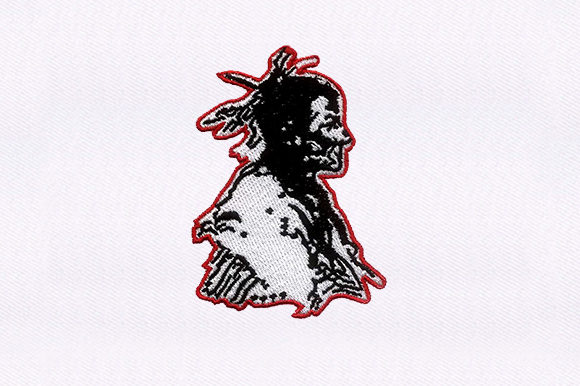
Chief Native Embroidery Design Review
As an experienced embroidery designer, I recently tested the Chief Native machine embroidery design for use in personalized gift products. This review is based on real-world application scenarios and practical considerations for those who sell handmade or custom embroidered items online or in small shops.
First Impressions of Chief Native
The Chief Native design immediately caught my attention with its elegant charm and intricate details. It has a warm, timeless appeal that feels both classic and modern, making it suitable for a wide range of customer preferences. The level of detail in the design suggests it was crafted with care, and it carries an emotional weight that could resonate well with customers looking for meaningful gifts.
The mood of Chief Native is gentle yet strong, which makes it ideal for baby-related items like blankets, pillow covers, or nursery decor. Its subtle intricacy gives it a handmade quality that many buyers associate with high value and authenticity.
Applying Chief Native to Personalized Gift Products
Chief Native can be used across various product types, including:
- Baby embroidery: Perfect for embroidered blankets, onesies, or towel sets where a soft, symbolic design adds personal meaning.
- Wedding gifts: Ideal for keepsakes, table runners, or pillow covers that celebrate love and heritage.
- Family keepsakes: Great for embroidered aprons, tote bags, or framed pieces that honor family traditions.
- Personalized towels: Can be used on kitchen towels, bath towels, or beach towels with a touch of elegance.
- Nursery decor: Offers a unique look for wall hangings, crib bumpers, or decorative pillows.
- Etsy listings: As a digital embroidery file, it can be sold as a downloadable product or used in finished goods for handmade sellers.
Its versatility allows Chief Native to fit into a variety of niches, from small shop products to commercial embroidery projects.
Where to Use Chief Native with Caution
While Chief Native is a beautiful design, there are certain applications where extra care should be taken:
- Small lettering: If the design includes text, ensure it's large enough to remain legible after stitching.
- Delicate details: The fine elements may require a higher-quality stabilizer and careful tension settings.
- Textured fabric: Avoid using this design on very thick or uneven materials where the stitches might not lay flat.
- Thick towels: May require additional backing or a different hoop size to prevent puckering.
- Stretchy baby clothes: Stretchy fabrics can distort the design unless stabilized properly.
- Curved surfaces: The 4×4 hoop size works best on flat items; curved items may need adjustments.
- Dark fabric: Ensure thread colors contrast well with dark backgrounds for visibility.
- Frequent washing: Choose durable threads and test how the design holds up after multiple washes.
Impact on Giftability and Customer Engagement
The Chief Native design enhances the perceived value of any item it adorns. Customers often associate intricate embroidery with quality and thoughtfulness, which increases the emotional connection they feel toward the product. This makes it particularly appealing for wedding gifts, baby items, or family heirlooms.
For Etsy sellers and small business owners, using Chief Native can help elevate their brand image and attract buyers who appreciate handcrafted details. Including a printable mockup with your listing can also increase buyer engagement by allowing customers to visualize the final product before purchasing.
When used correctly, Chief Native builds trust with customers by demonstrating attention to detail and a commitment to quality—key factors in establishing a loyal customer base.
Practical Embroidery Notes for Using Chief Native
Before using Chief Native on a finished product, here are some essential steps to follow:
- Test on scrap fabric: Always do a sample run to check stitch density and color accuracy.
- Check thread color contrast: Ensure the chosen thread colors stand out against the fabric background.
- Confirm hoop size: The design fits within a 4×4 hoop, so make sure your embroidery machine can accommodate this size.
- Review stitch density: A stitch count of 17,859 indicates a detailed design—ensure your machine can handle it without overheating.
- Use proper stabilizer: Especially important for delicate or stretchy fabrics to prevent distortion.
- Compare light and dark fabric mockups: Some colors may appear differently depending on the fabric’s tone.
- Check small details after stitching: Look closely for any missed stitches or imperfections.
- Confirm commercial licensing: Make sure you have the right to sell finished products featuring this design.
These steps will help ensure that the final product meets the high standards expected by customers and maintains the integrity of the Chief Native design.
Final Thoughts
In summary, Chief Native is a versatile and beautifully detailed machine embroidery design that can add a unique touch to a wide range of personalized gift products. Whether you're an Etsy seller, a small shop owner, or a craft fair vendor, this design offers a great opportunity to create items that resonate emotionally with your customers.
With proper planning and attention to detail, Chief Native can become a standout feature in your collection of digital embroidery files, helping you build a reputation for quality and creativity in the handmade market.